The Silent Barrier: How Language Anxiety Undermines Afghan Refugees in Global Resettlement
Language opens doors, but for many Afghan refugees, it becomes a silent barrier that locks them out of opportunity, dignity, and confidence. While most policy conversations focus on access to interpreters or translated documents, a deeper issue is largely ignored: language anxiety.
At Afghan Language Services, we have seen firsthand how unaddressed language anxiety erodes participation and self-worth among resettled communities. Today, we explore how this psychological barrier affects Afghan refugees navigating new systems in unfamiliar tongues and what can be done to restore their voice.
What Is Language Anxiety?
Language anxiety is the emotional distress people experience when required to use a language they are not fully fluent in. This anxiety can manifest as fear of making mistakes, shame in pronunciation, or a complete mental block when speaking. It is especially acute among adult learners who feel judged or misunderstood in formal or high-stakes settings.
For Afghan refugees, the situation is more complex. Many speak fluent Dari or Pashto but struggle with English, German, French, Italian, or other host-country languages. In resettlement, even a trip to the doctor or school meeting becomes a battleground of fear and embarrassment.
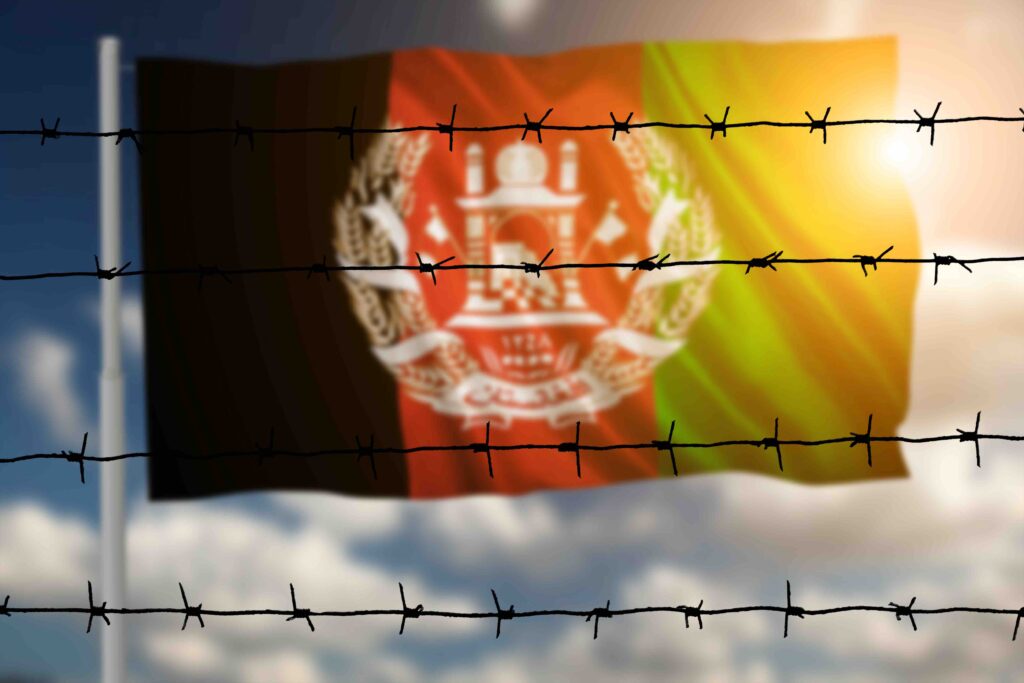
How Language Anxiety Affects Refugees’ Daily Lives
Healthcare
Imagine trying to describe chest pain or trauma symptoms through a lens of self-doubt and broken vocabulary. Language anxiety can cause people to avoid seeking medical care, omit important details, or agree to treatments they don’t fully understand. This not only delays healing, but also creates a risk of misdiagnosis
Employment
Language anxiety can hold skilled Afghans back from applying for jobs or speaking confidently in interviews. Even when interpreters are present, refugees may understate their experience or avoid interactions due to fear of “sounding wrong.” The result? Talented individuals remain trapped in survival jobs far below their qualifications.
Legal and Resettlement Processes
In asylum interviews, housing negotiations, or social service applications, hesitance or stammering may be mistaken for dishonesty or incompetence. Refugees with valid claims or rights often lose access, not due to language itself, but due to the anxiety that silences them.
Cultural Factors That Amplify Language Anxiety
Afghan culture places high value on honor, dignity, and articulate speech. Being unable to express oneself clearly in another language may feel like a public loss of face. This fear is magnified in mixed-gender, formal, or institutional environments where Afghans may already feel like outsiders.
Many elders, especially women, express shame about “being illiterate” in English, even when they are respected leaders in their native language. Without culturally sensitive support, this anxiety leads to silence, and silence leads to exclusion.
We guarantee a reply within 24 hours.
LOOKING FOR PASHTO TRANSLATIONDARI TRANSLATIONPASHTO INTERPRETATIONDARI INTERPRETATIONLANGUAGE CONSULTATION?
GET AN INSTITUTION-READY QUOTE
SCHEDULE EXPERT CONSULTATION
Why Interpretation Alone Is Not Enough
Interpretation bridges communication. But language anxiety is internal. Even when a professional interpreter is present, Afghan refugees may hesitate to speak fully, omit personal feelings, or default to one-word answers. Why? Because shame and fear linger under the surface.
This is where trauma-informed language support makes the difference. At ALS, our interpreters are trained to recognize hesitation, read cultural cues, and gently encourage expression without pressure. We prioritize not only accuracy, but emotional safety.
How Afghan Language Services is Responding
Afghan Language Services is not just a translation agency. We are a cultural bridge. Here’s how we actively help Afghan clients navigate language anxiety:
01
Culturally Matched Interpreters
We pair clients with linguists who speak their dialect and understand their worldview.
02
Safe Environment Training
Our interpreters are trained to reduce pressure and foster dignity in high-stress situations.
03
Community Language Coaching
Through our partners, we offer workshops that blend language learning with confidence-building strategies.
04
Voice Restoration
We train service providers to see past silence and create environments where refugees feel invited, not interrogated, to speak.
What Governments and NGOs Can Do
-
Normalize Hesitation
Encourage service providers to allow more time, repeat questions patiently, and validate pauses.
-
Train Frontline Workers
Include language anxiety awareness in cultural competency training.
-
Fund Community-Based Language Programs
Prioritize safe, trauma-informed spaces where refugees can learn at their pace.
-
Invest in Afghan Language Professionals
Hiring trained Dari and Pashto and other Afghan languages interpreters who understand emotional nuance is not a luxury, it is a necessity.
Language Anxiety Is Invisible, but Not Inevitable
The Afghan refugee journey is already filled with loss, adaptation, and resilience. Language should be a bridge, not another battlefield. By understanding and addressing language anxiety, we restore not just communication, but dignity.
At Afghan Language Services, we believe that every voice matters, even when it shakes. We must work toward a world where no Afghan refugee is left unheard due to fear, shame, or silence.
Get a custom proposal aligned with your agency’s urgent needs.
Talk directly with our language strategy team and plan your mission support.
SHARE THIS BLOG VIA
X